
How a Drone Motor Manufacturer Improved Rotational Stability with Welink Bearing?
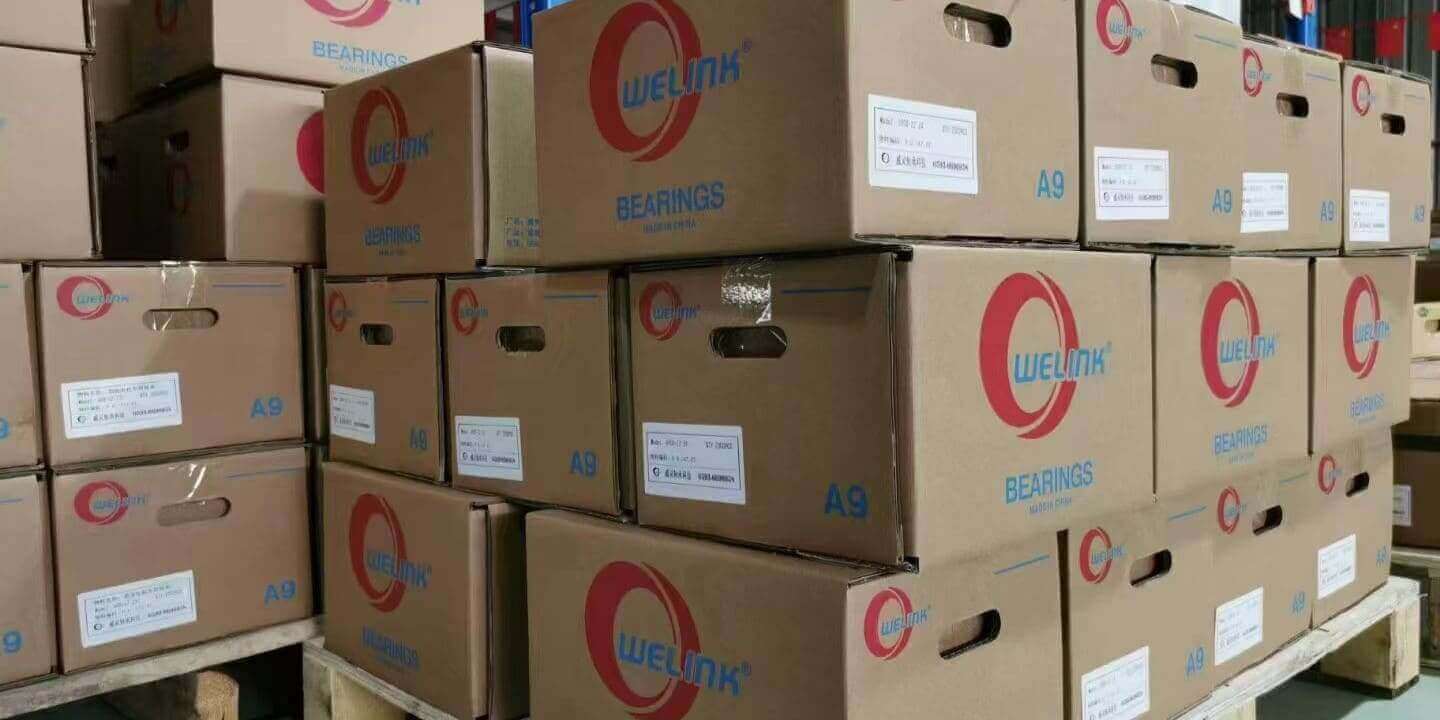
In the drone industry, motor performance directly dictates flight stability, control accuracy, and overall user experience. While flight controllers, electronic speed controllers (ESCs), and propellers typically receive the most attention, the quality of miniature bearings plays a critical foundational role in how smoothly a motor operates.
A prominent drone motor manufacturer recently approached Welink Bearing seeking to improve performance consistency across its product lines. Although their motors already met baseline performance metrics, engineers observed minute batch-to-batch differences in vibration and rotational smoothness. While not causing outright failures, these minor variations can significantly impact efficiency, acoustic profiles, and flight characteristics in high-speed UAV applications. The manufacturer partnered with us to determine how strategic bearing selection could optimize their rotational stability.
Customer Background
The client is a leading manufacturer of brushless motors designed for a diverse range of consumer and industrial drones. Their products are widely utilized in:
• Aerial photography drones
• Industrial inspection drones
• Agricultural UAVs
• Educational drone platforms
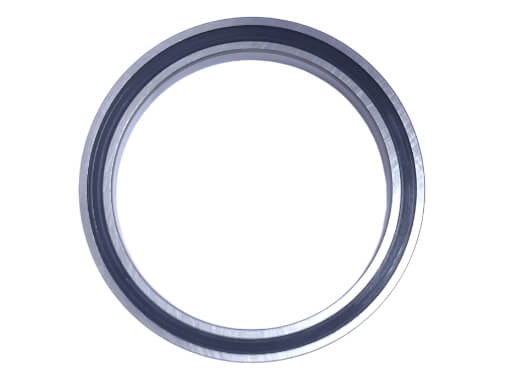
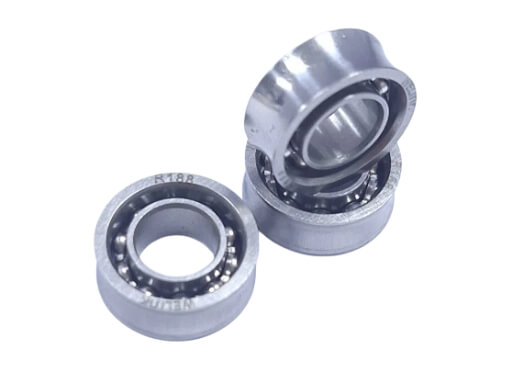
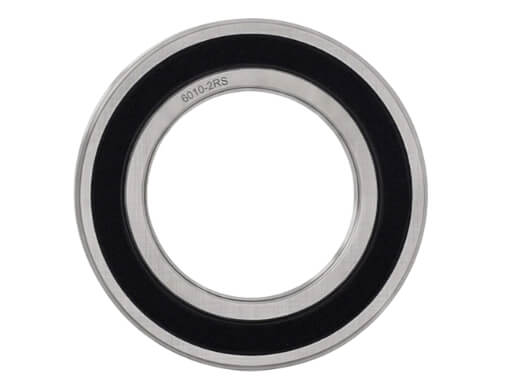
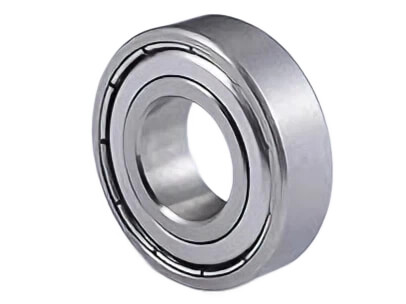
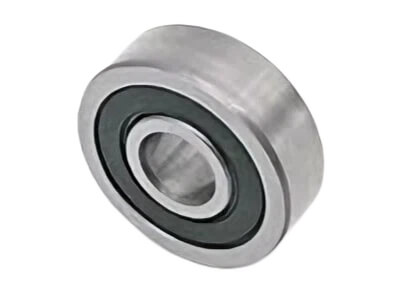
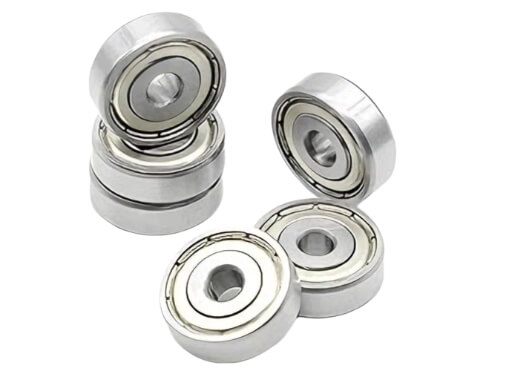
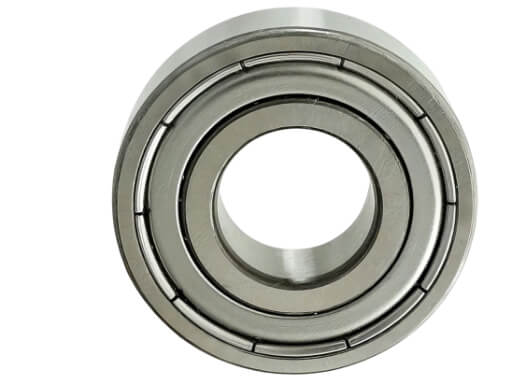
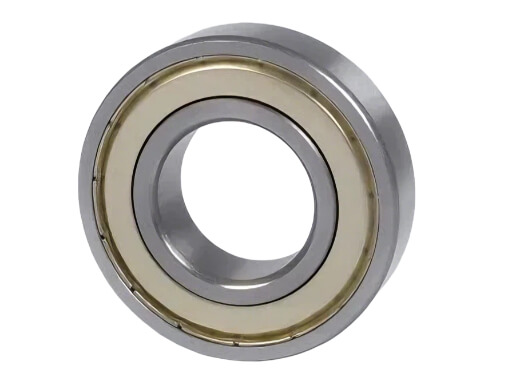
Depending on the specific motor architecture, they frequently utilize miniature deep groove ball bearings. Common sizes include MR83ZZ, MR85ZZ, 693ZZ, 694ZZ, and 695ZZ. These components must reliably sustain extremely high rotational speeds while supporting lightweight rotor assemblies. Unlike standard industrial motors, drone applications demand low weight, instantaneous response times, and flawlessly smooth operation.
The Challenge
During routine quality assurance testing, the engineering team noted that rotational smoothness varied slightly among motors, despite identical designs and manufacturing processes. These measurable discrepancies included:
• Slight fluctuations in baseline vibration levels
• Inconsistencies in startup smoothness
• Tactile variations in rotational feel during manual inspection
• Minor shifts in noise characteristics at peak RPMs
While the motors technically passed all functional inspections, the client demanded tighter performance consistency to maintain their competitive edge in the precision drone market.
Understanding Drone Motor Operating Conditions
Drone motors operate under extreme mechanical conditions that differ vastly from conventional electric motors. Typical operational characteristics include:
• Exceptionally high rotational speeds (often exceeding thousands of RPMs)
• Frequent and aggressive acceleration/deceleration cycles
• Rapid throttle modulations
• High sensitivity to external and internal vibrations
At these elevated speeds, even microscopic deviations in raceway geometry, vibration tolerances, or lubrication consistency can alter motor behavior. For precision tasks like aerial cinematography, eliminating micro-vibrations is essential for clear imaging.
The Welink Bearing Solution
After ruling out variables like rotor balance and shaft straightness, the investigation zeroed in on bearing quality. Vibration analyses revealed that standard commercial-grade bearings exhibited too much variance between production lots.
Welink Bearing collaborated with the client to upgrade their bearing specifications without requiring costly redesigns of the motors themselves. We focused on four critical areas of improvement:
| Focus Area | Welink Bearing Optimization | Impact on Motor Performance |
| Precision Upgrade | Transitioned from standard to P5 precision bearings. | Improved dimensional accuracy and reduced shaft runout. |
| Vibration Control | Implemented stricter baseline vibration standards for incoming lots. | Minimized variance between production batches. |
| Raceway Finishing | Enhanced quality control on raceway surface finishes. | Allowed rolling elements to move with near-perfect uniformity. |
| Lubrication Stability | Standardized the fill-rate of high-speed, low-drag grease. | Prevented excess drag (too much grease) and premature wear (too little). |
Testing and Validation
Before full-scale production rollout, the manufacturer subjected the Welink Bearing prototypes to rigorous validation. The testing protocol prioritized sustained consistency over peak theoretical performance, encompassing:
• High-speed dynamic operation tests
• Precision vibration mapping
• Acoustic and noise analysis
• Thermal monitoring under load
• Long-duration endurance runs
The Results
By upgrading to Welink's optimized bearings, the engineering team recorded substantial improvements across all key metrics:
• Consistent Vibration Profiles: Variance between production batches dropped significantly, allowing for much tighter quality control standards.
• Silky-Smooth Rotation: Motors exhibited a noticeably more uniform and premium tactile feel during operation.
• Thermal Stability: Operating temperatures remained perfectly within optimal ranges, even during aggressive endurance testing.
Ultimately, the most valuable benefit was predictable manufacturing consistency. For drone manufacturers, ensuring that every motor performs exactly like the last is far more critical than simply chasing the highest possible RPM.
Conclusion
By focusing on precision tolerances, stringent vibration control, and lubrication consistency, this drone motor manufacturer successfully elevated their rotational stability, all without altering their core motor design. This case study highlights that bearing selection is far more than a simple procurement checklist. In high-stakes, high-speed applications like drone manufacturing, partnering with an expert like Welink Bearing directly enhances product quality, reliability, and end-user satisfaction.
Contact Welink Bearing
Email: sales1@welinkbearing.com
Made-in-China Website: https://welinkbearing.en.made-in-china.com/
Leave A Message
Scan to Wechat/Whatsapp :