Overview & Engineering Structure
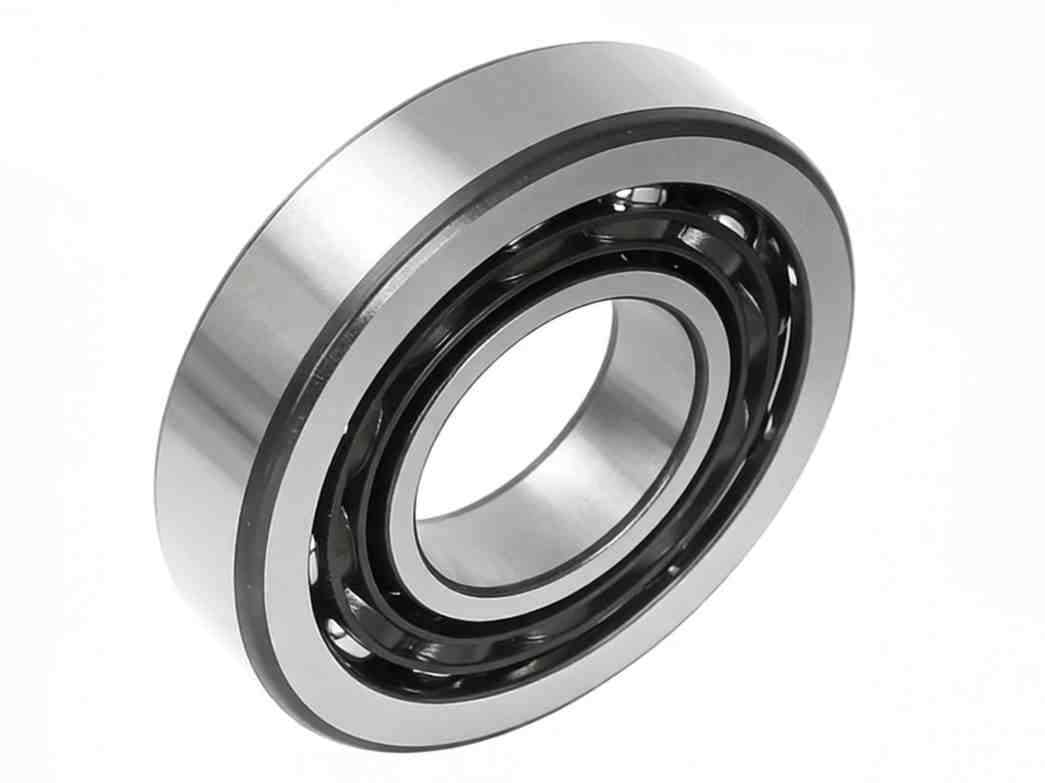
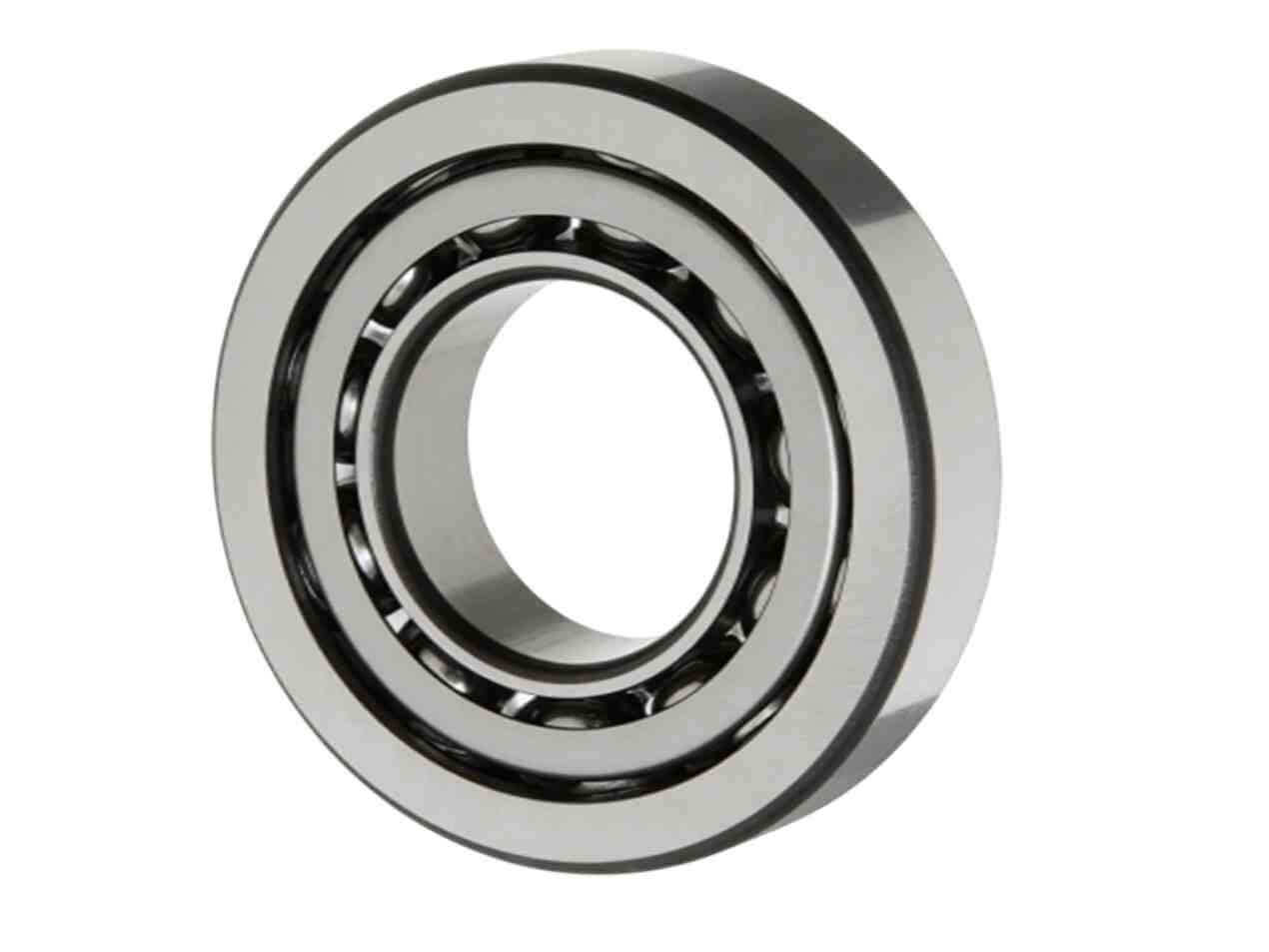
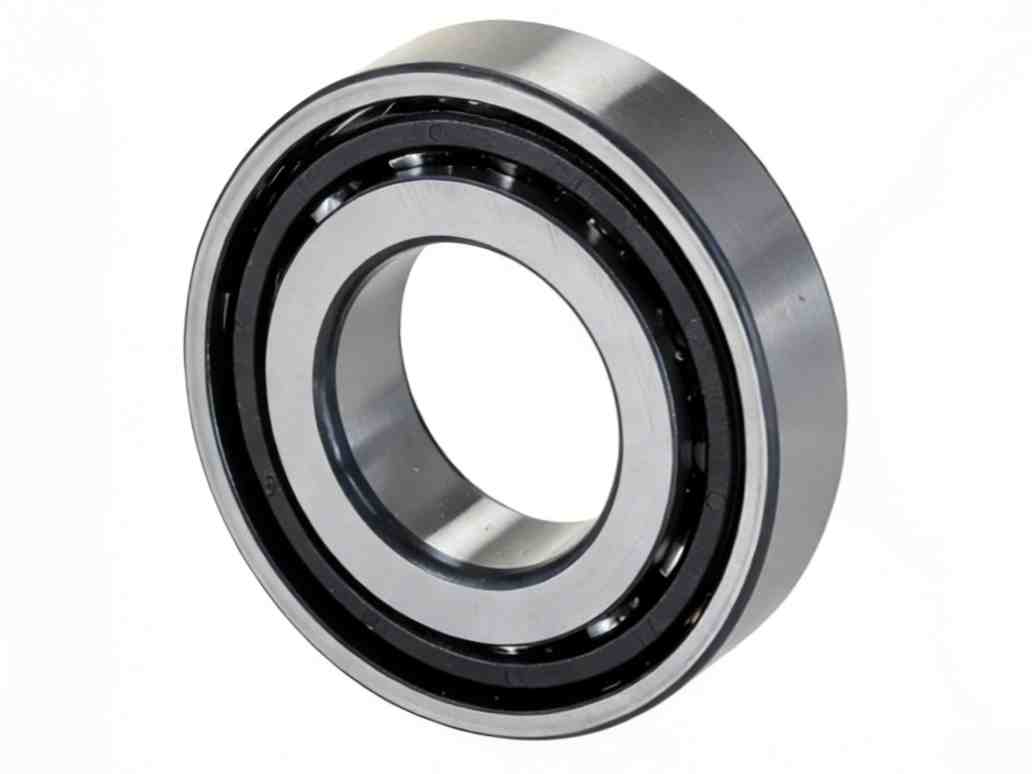
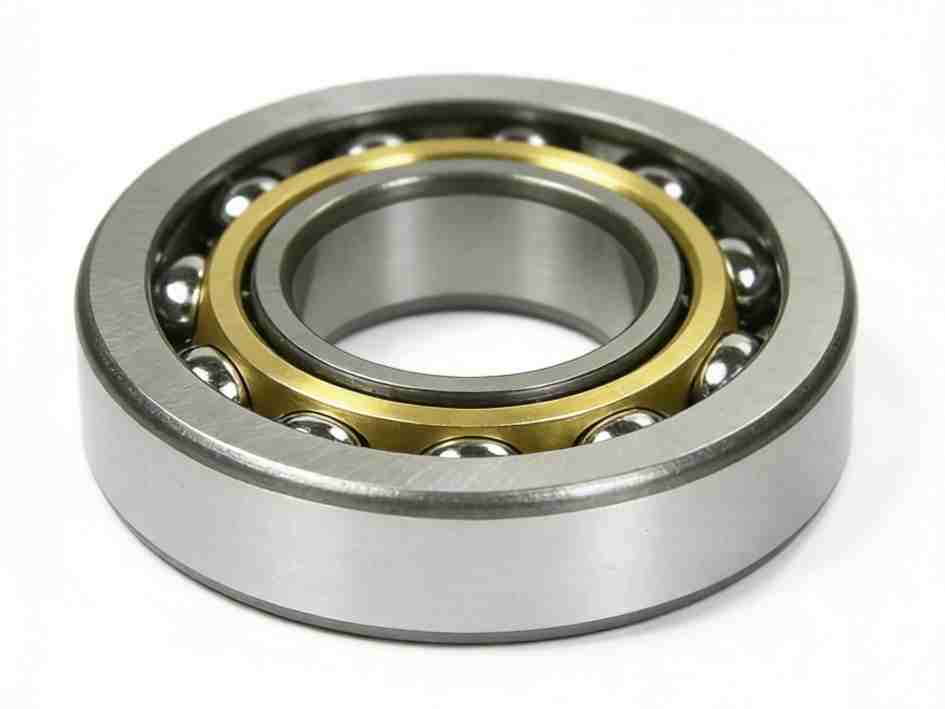
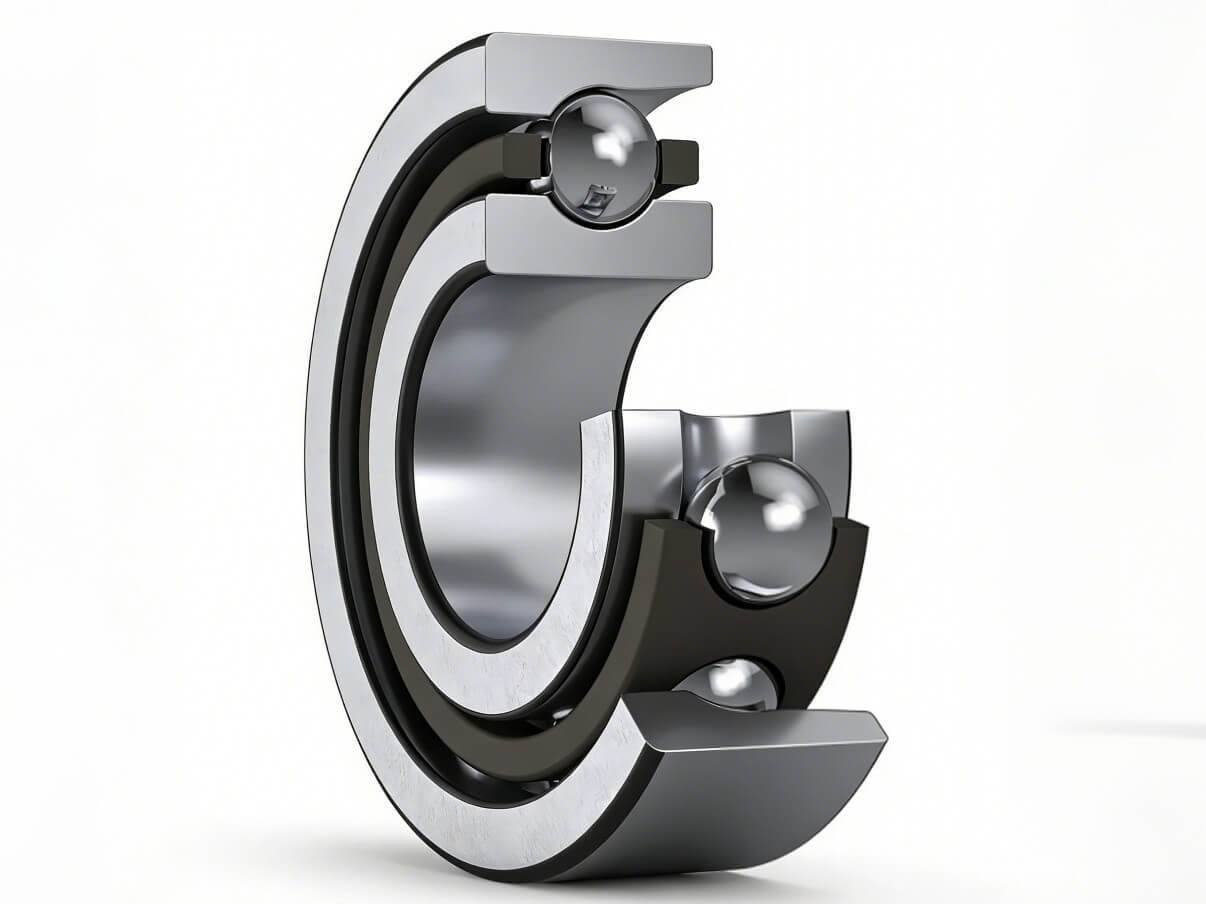
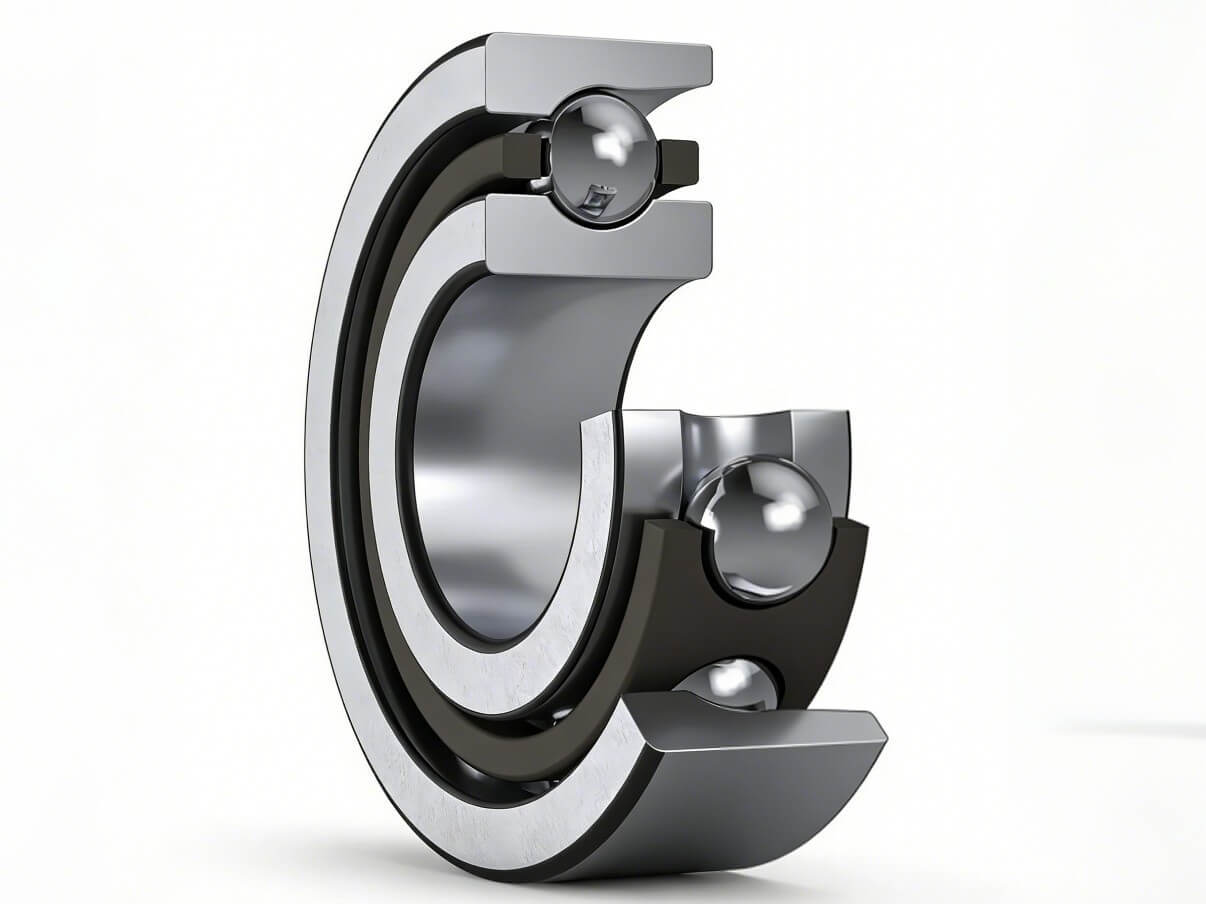
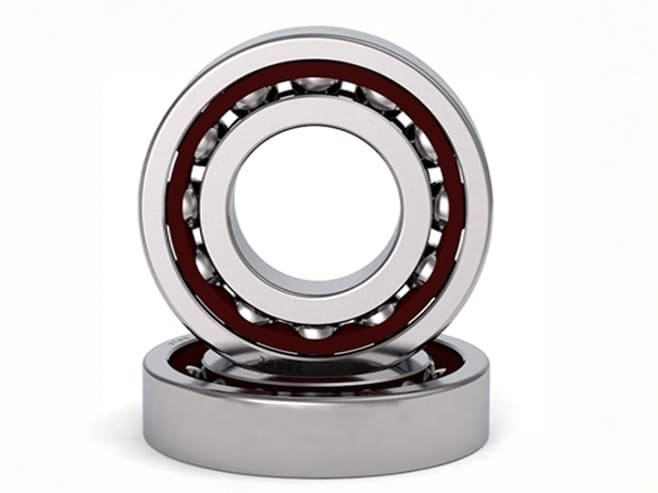
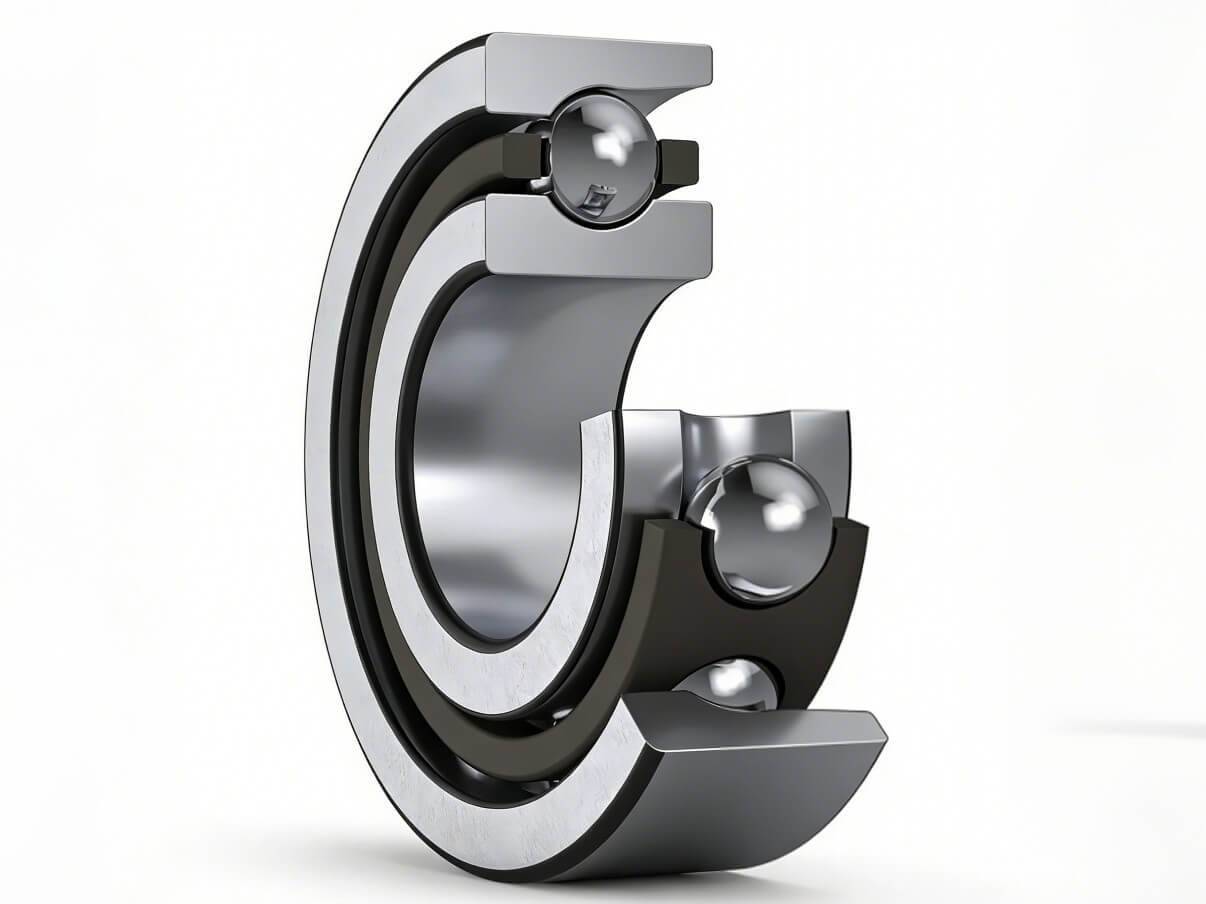
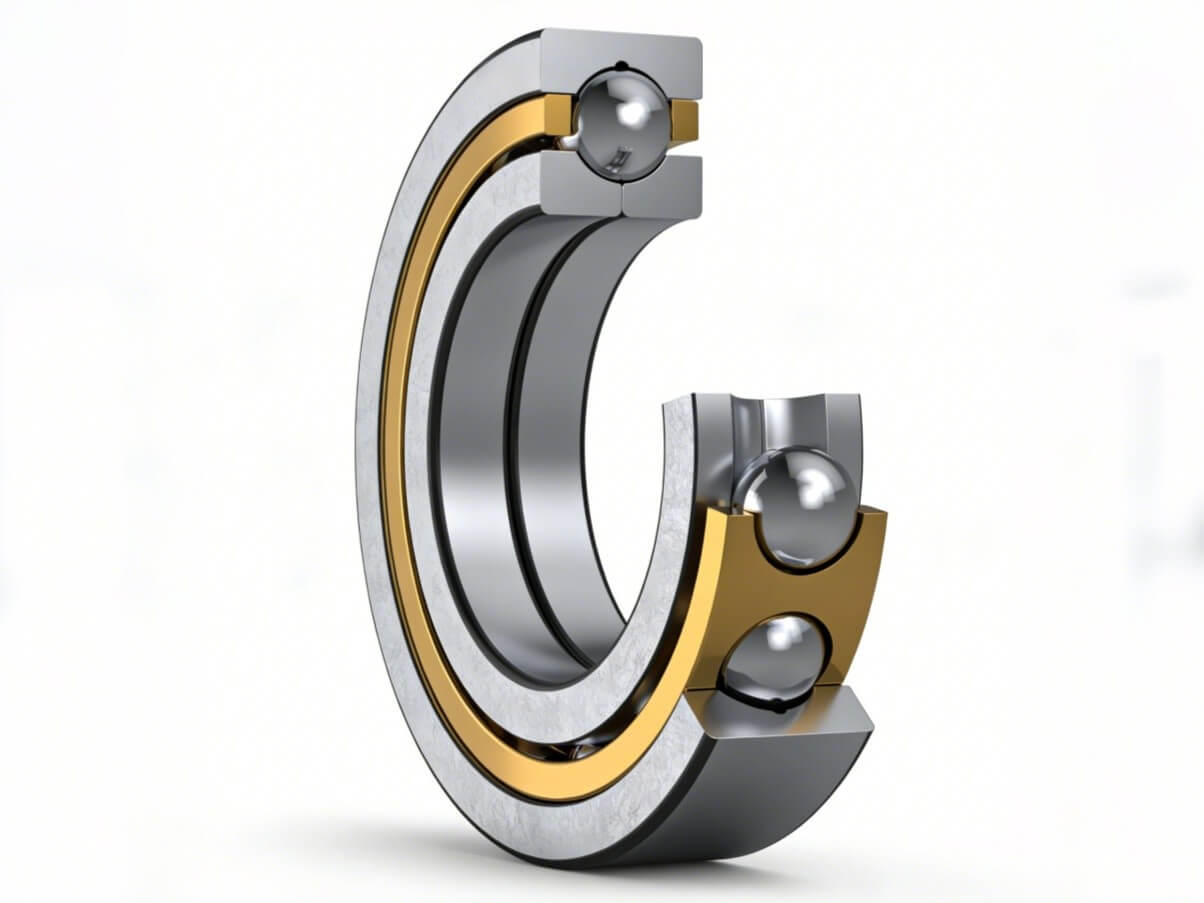
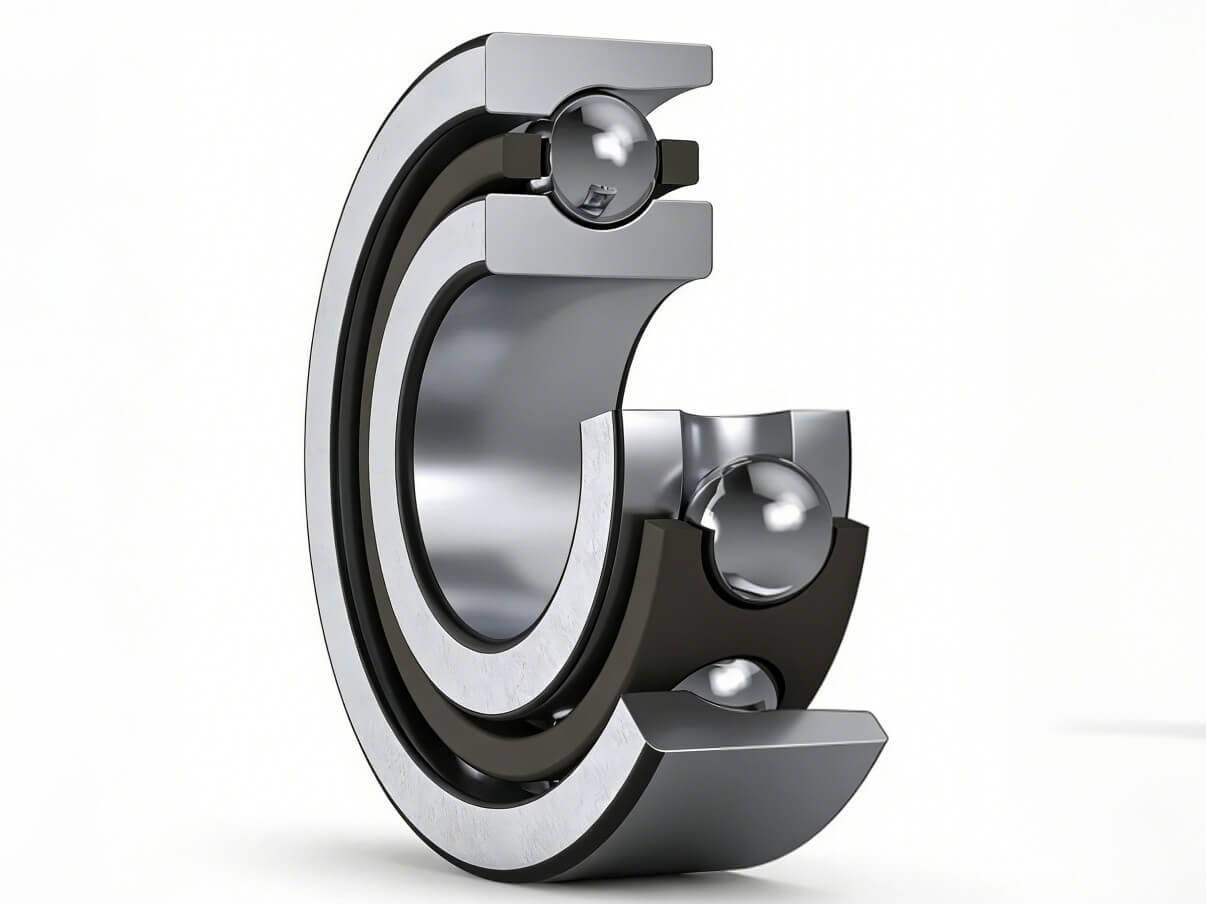
Angular Contact Ball Bearings are specifically engineered to handle complex mechanical forces. Unlike deep groove bearings, their inner and outer ring raceways are displaced relative to each other in the direction of the bearing axis. This asymmetric design creates a specific "contact angle." Because the load is transferred through this angle, these bearings can simultaneously support significant radial loads and high unidirectional axial (thrust) loads. As the contact angle increases, the axial load-carrying capacity also increases.
Nomenclature & Series Breakdown
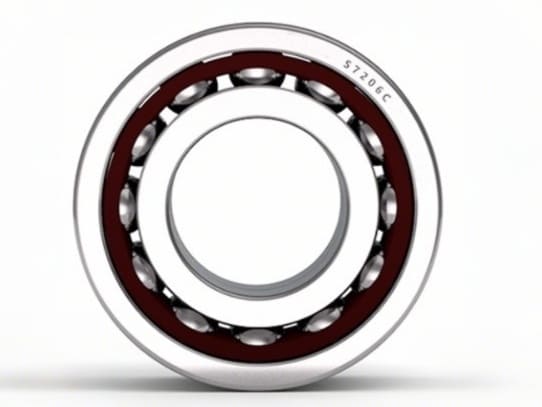
Standard angular contact ball bearings are typically identified by the prefix "7". Welink Bearing manufactures a highly reliable range of these industrial workhorses, categorized by their load and speed optimization:
• 70 Series: Slim cross-section models optimized for ultra-high-speed operations with minimal heat generation.
• 72 Series: Medium-duty, versatile bearings providing a perfect balance of thrust capacity and radial support.
• 73 Series: Heavy-duty, wide cross-section bearings designed to withstand massive shock and combined loads.
Mounting & Technical Features
• Contact Angles: Typically available in 15° (for high speed), 25°, and 40° (for high axial load) configurations.
• Pairing Capabilities: Frequently used in pairs (Back-to-Back/DB, Face-to-Face/DF, or Tandem/DT arrangements) to accommodate bi-directional axial loads and provide extreme system rigidity.
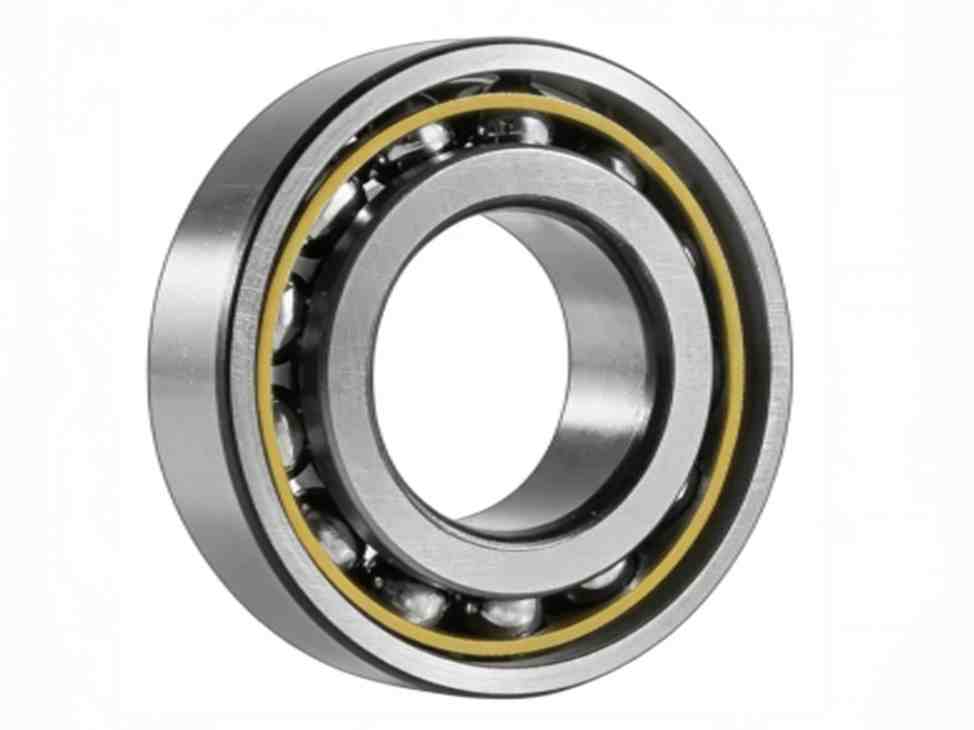
• Cage Materials: Equipped with high-performance cages (such as machined brass, polyamide, or steel) optimized for the specific speed and lubrication conditions of the application.
Primary Application Industries
These bearings are critical components where rigid guidance and high thrust capacity are mandatory. They are the standard choice for machine tool spindles, industrial centrifugal pumps, heavy-duty compressors, and high-frequency precision motors.