Do Ball Bearings Need Lubrication?
Yes, the vast majority of ball bearings require lubrication to function correctly and achieve their designed service life. At Welink Bearing, a question we frequently encounter is whether all ball bearings need grease. The answer lies in the application. While lubrication is generally essential, the method (grease, oil, or dry film) and quantity vary significantly based on the bearing's operating conditions.
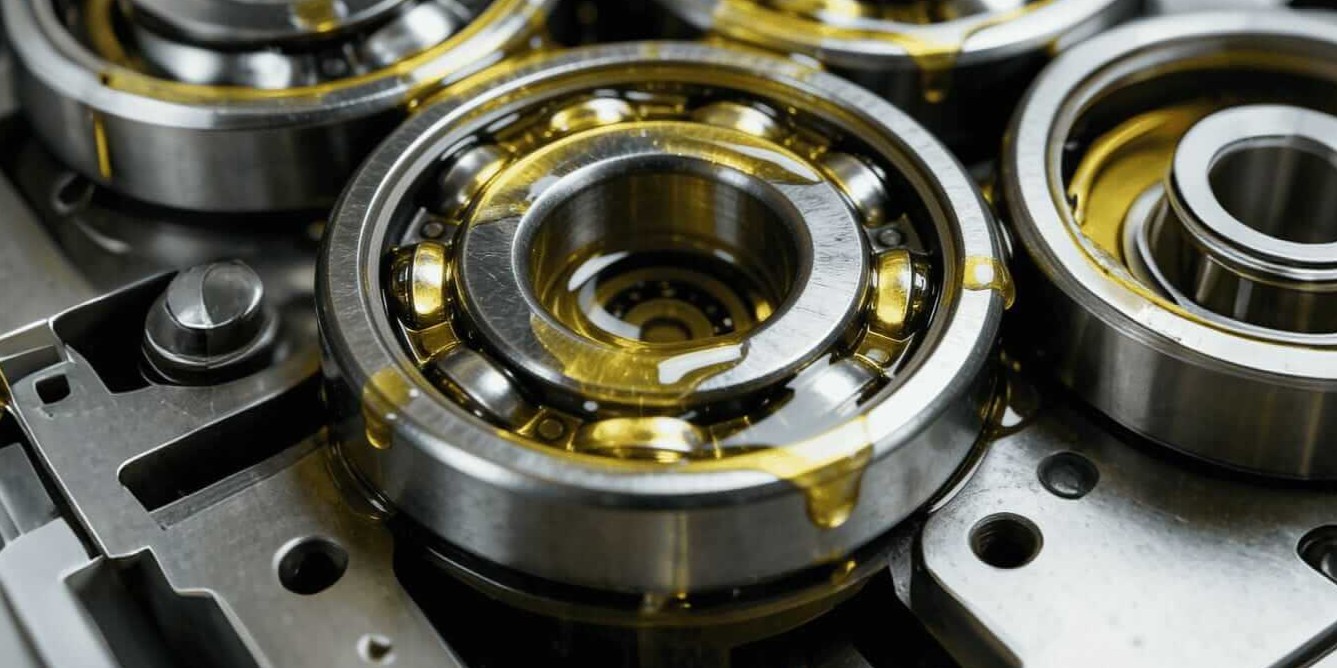
① Why is Lubrication Critical for Ball Bearings? (The 4 Key Functions)
Lubrication serves four core functions in ball bearings, including the deep groove and angular contact ball bearings we specialize in:
- Reducing Friction and Wear: It forms a protective film between the balls and raceways, minimizing direct metal-to-metal contact.
- Preventing Overheating and Corrosion: It dissipates heat generated during operation and creates a barrier against moisture and contaminants that cause rust.
- Minimizing Noise and Vibration: It allows for smoother rolling element movement, ensuring quieter operation.
- Extending Service Life: By accomplishing all of the above, proper lubrication ensures the bearing reaches or exceeds its rated lifespan.
For deep groove ball bearings, critical components in applications like electric motors and pumps, operation without lubrication would drastically shorten their service life.
② Common Ball Bearing Lubrication Methods Compared
- Grease Lubrication (The Most Common Method - Typically Factory Pre-Lubricated)
Suitable for approximately 90% of deep groove ball bearing applications, such as electric motors, water pumps, fans, and household appliances.
-
- Advantages: Simple maintenance, good sealing performance, and low cost.
- Key Note: More grease is not always better. Typically, the filling amount should be 30% - 50% of the free internal space of the bearing.
- Oil Lubrication
Used for high-speed, high-temperature, or special conditions, common in machine tool spindles and precision equipment.
-
- Advantages: Excellent heat dissipation, ideal for very high rotational speeds.
- Disadvantages: Higher maintenance costs, often requiring an oil supply and recirculation system.
- Solid / Dry Film Lubrication
Employed in special environments like vacuum, extreme temperatures, or the food & medical industry where oil and grease are prohibited. Common materials include graphite, molybdenum disulfide, or PTFE.
③ Lubrication Needs: Open, Shielded (ZZ), or Sealed (RS/2RS) Bearings?
The bearing's enclosure directly impacts its lubrication requirements and maintenance:
| Structure Type |
Lubrication Requirement |
| Open Bearings |
Require lubrication. Must be lubricated regularly based on the operating conditions. |
| ZZ Type (Metal Shields) |
Factory pre-lubricated. Shields offer some protection but are not fully sealed; re-lubrication may be possible or necessary in harsh environments.
|
| RS / 2RS Type (Rubber Seals) |
Factory pre-lubricated (often "lubricated-for-life"). Seals effectively retain grease and exclude contaminants. |
Important Note: The "2RS" designation (double rubber contact seals) does not mean the bearing is unlubricated. It indicates the bearing is pre-greased at the factory and is designed not to require re-lubrication during its normal service life under standard conditions.
Conclusion & Practical Advice from Welink Bearing
Selecting the correct lubrication is as vital as choosing the right bearing type. As an integrated manufacturer and trader, we not only pre-lubricate bearings to standard specifications but also consult with customers on the optimal solution, considering their specific application, environmental factors (like humidity and temperature), and maintenance capabilities.
Whether you need a standard pre-greased deep groove ball bearing or a custom lubrication solution for a challenging application involving angular contact bearings, understanding these fundamentals is the first step toward optimal performance and longevity.
Looking for the right lubricated ball bearing for your application?
Browse our range of Deep Groove Ball Bearings and Angular Contact Ball Bearings, or contact our engineering team for expert advice.