Our new employees often have this question when they first enter the bearing industry. Is the "ball bearing" we commonly refer to in conversation the same as a "deep groove ball bearing"? Why are these two terms sometimes used interchangeably? And why do they have different HS codes?
To address this question, as an instructor, my response is: Not entirely, but the deep groove ball bearing is the most typical and representative type of ball bearing.
Think of it this way: The deep groove ball bearing is a "species" within the larger "family" of ball bearings. The ball bearing family includes various types such as deep groove ball bearings, self-aligning ball bearings, angular contact ball bearings, and thrust ball bearings. So, the deep groove ball bearing is just one member of this family.
In practical applications, deep groove ball bearings are the most widely used, produced in the largest quantities, and are the type people encounter most often. In many general-purpose machines (like motors BLDC, fans, water pumps, and gearboxes), if there's no special requirement, the default "ball bearing" used is typically a deep groove ball bearing. Over time, this leads many people to equate the broader category "ball bearing" with the specific type "deep groove ball bearing."
Although they all fall under the ball bearing (all have steel balls as the rolling elements), they have distinct differences in design structure and performance characteristics:
➀ Deep Groove Ball Bearings:
- Feature deep, continuous grooves. The line of contact between the steel ball and the raceway is parallel to the radial plane (i.e., contact angle is 0°).
- They are primarily designed to handle radial loads.
➁ Angular Contact Ball Bearings:
- Have one raceway shoulder higher than the other.
- The line of contact between the ball and raceway is at an angle to the radial plane (the contact angle), making them particularly effective at handling axial loads.
➂ Self-Aligning Ball Bearings:
- The inner surface of the outer ring is spherical, allowing the bearing to automatically compensate for angular misalignment or shaft deflection.
➃ Thrust Ball Bearings:
- Specifically designed to handle axial loads.
- The rings are flat and they cannot accommodate any radial load.
You can understand the deep groove ball bearing as the "standard version" of a ball bearing. When someone says, "Give me a ball bearing," without specifying any particular requirements, they usually mean a deep groove ball bearing. However, from a technical standpoint, they are two different concepts.
Let’s do more details about the four main types of ball bearings.
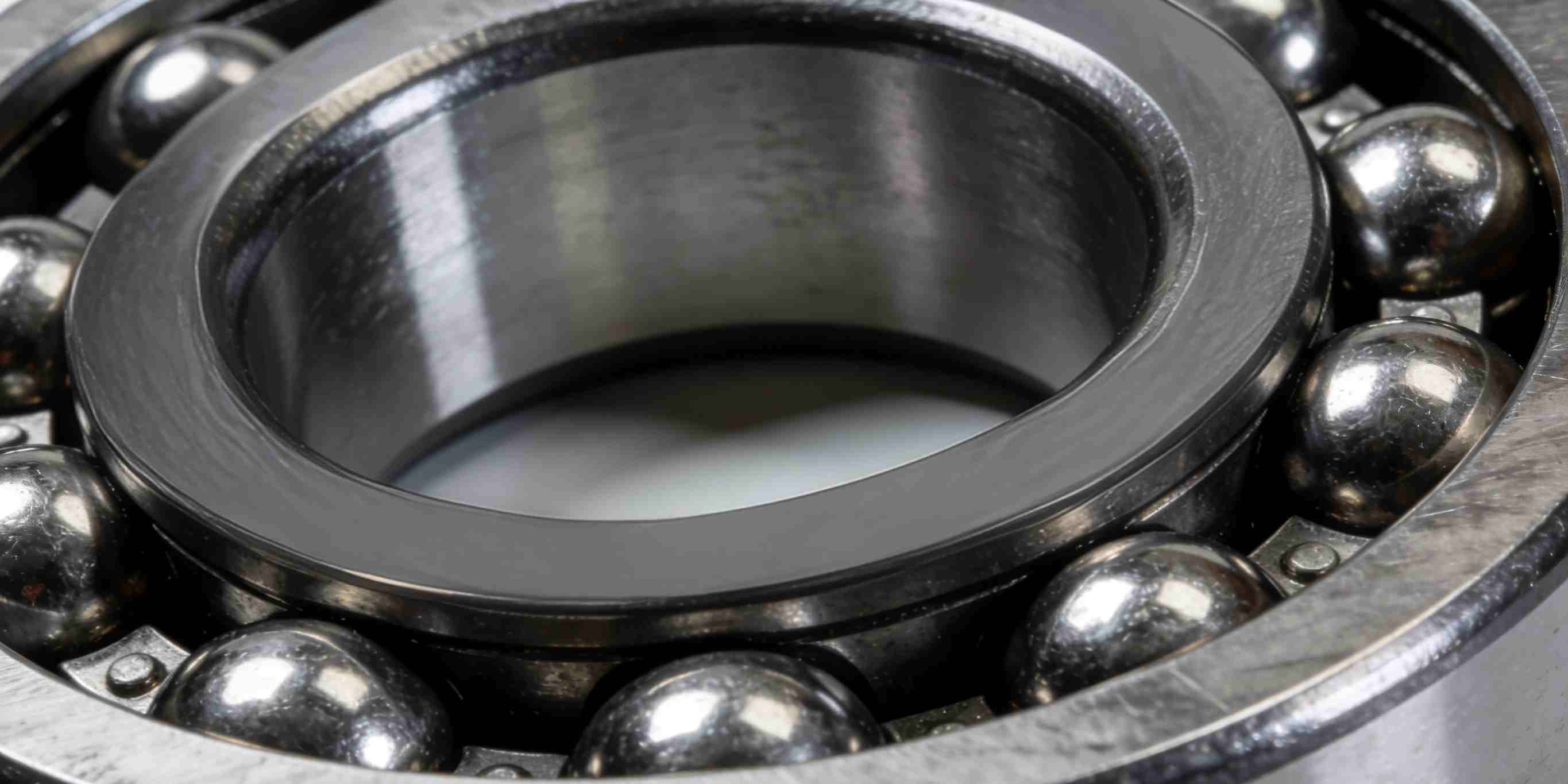
❶ Deep Groove Ball Bearings
Main Features:
- Simple structure, most widely used, low friction, high limiting speed, excellent cost-performance ratio.
Load Direction:
- Primarily accommodates radial loads, but can also accommodate certain bidirectional axial loads.
Typical Applications:
- Electric motors, water pumps, transmissions, gearboxes, automobiles, household appliances, and other general machinery.
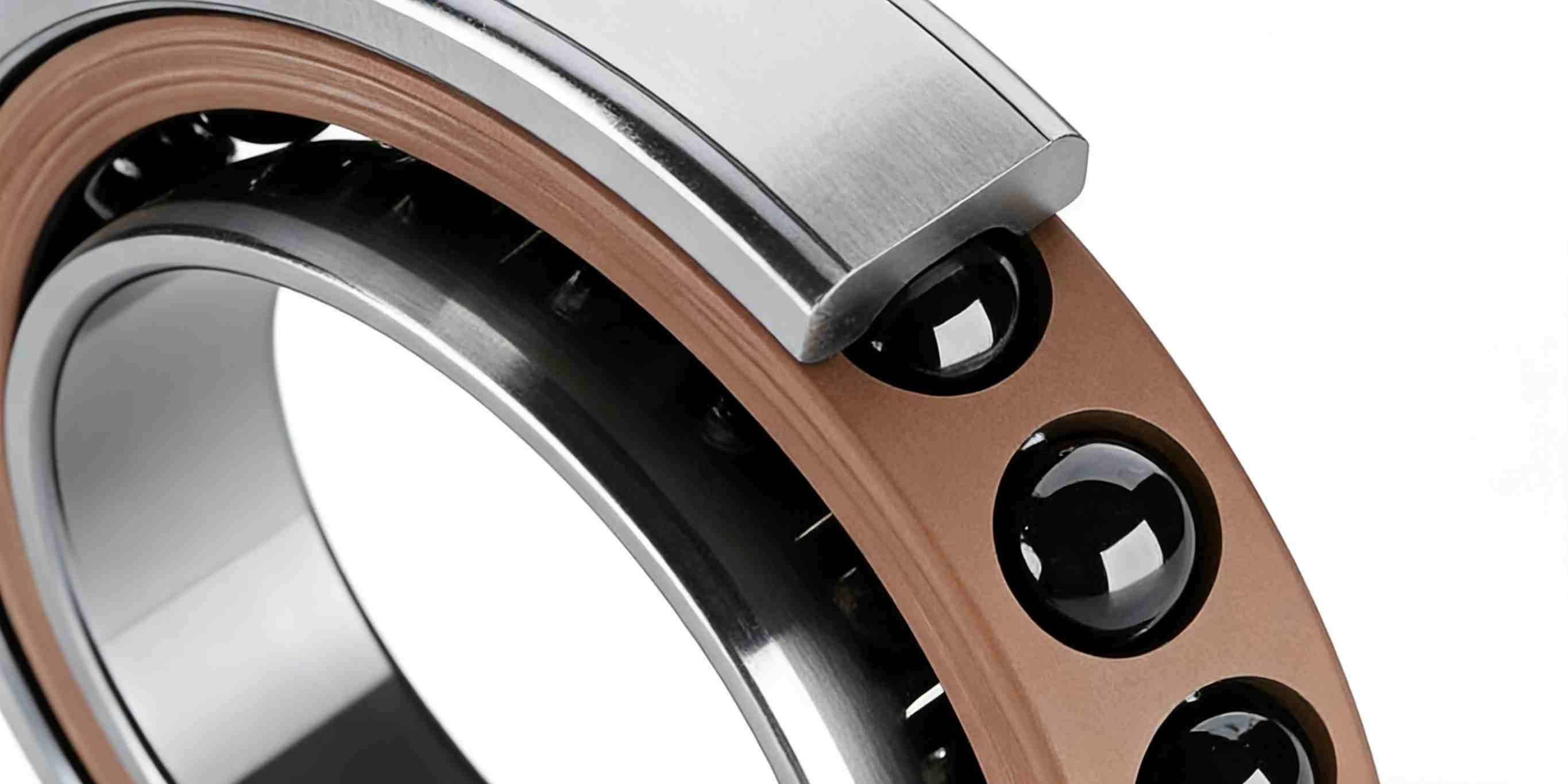
❷ Angular Contact Ball Bearings
Main Features:Can accommodate both radial and axial loads simultaneously. The larger the contact angle, the higher the axial load capacity. Often used in pairs.
Load Direction: Can accommodate combined radial and single-direction axial loads (for single row). When mounted as a pair, they can accommodate bidirectional axial loads.
Typical Applications: Machine tool spindles, high-speed motors, booster pumps, etc.
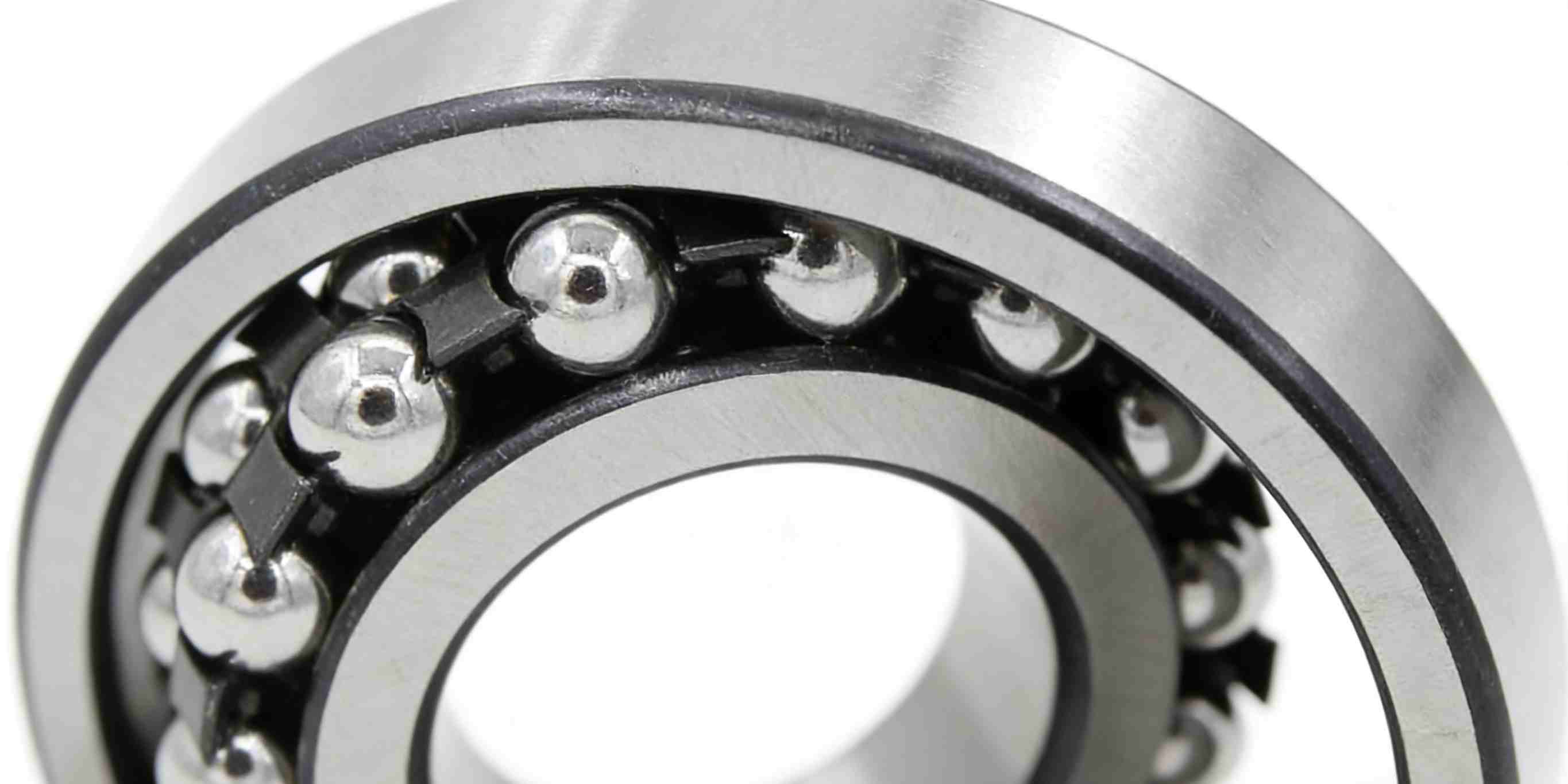
❸ Self-Aligning Ball Bearings
Main Features:The outer ring raceway is spherical, providing a **self-aligning** function. This compensates for misalignment caused by shaft deflection or mounting errors.
Load Direction: Primarily accommodates radial loads, but can also accommodate minor bidirectional axial loads.
Typical Applications: Long shafts, transmission shafts, bearing housings, and other applications where alignment is difficult.
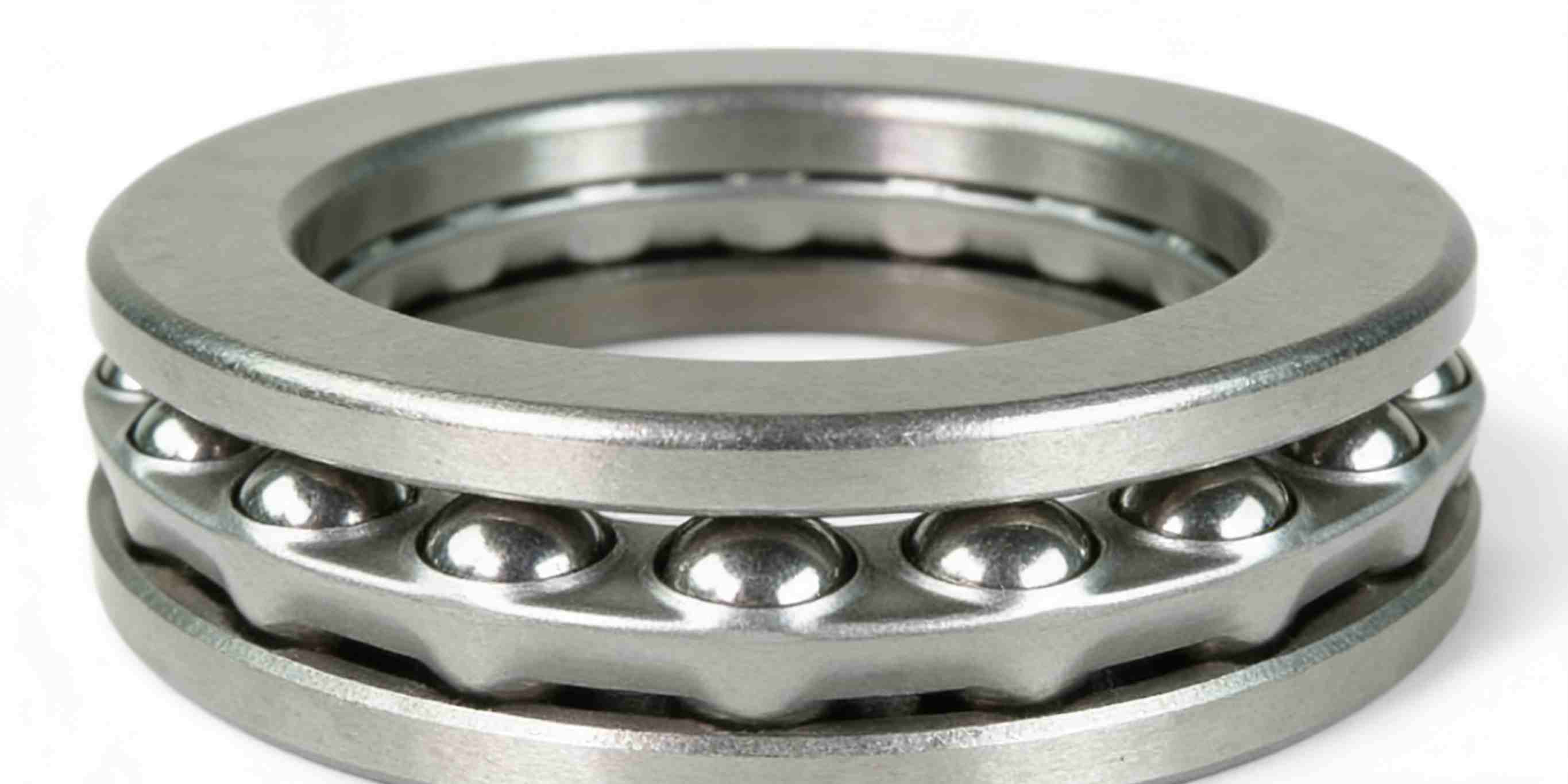
❹ Thrust Ball Bearings
Main Features: Designed specifically to accommodate axial loads. They cannot accommodate any radial load. Available in single-direction and double-direction types.
Load Direction: Accommodates axial loads only.
Typical Applications: Crane hooks, jacks, vertical pumps, and other low-speed, heavy-load applications.
Differences in Customs Codes
This distinction is also reflected in their customs codes (HS Code: 8482 for ball bearings). The more specific the bearing type, the more digits are added to the code for precise classification:
• Ball Bearings (General Category): 848210
• Deep Groove Ball Bearings: 84821020
• Self-Aligning Ball Bearings: 84821010
• Angular Contact Ball Bearings: 84821030
• Thrust Ball Bearings: 84821040
About Welink bearing
Regarding our company, Welink bearing, we currently specialize in the production of Deep Groove Ball Bearings and Angular Contact Ball Bearings. Since our establishment in 2010, we have accumulated experience across 50 different industries. Our primary areas of expertise and application include:
- Motors and Pumps (as the main application)
- Wellness Massager Industry
- Precision Medical Instruments (such as dental equipment)
- Household Appliance Industry, and more.
We hope to bring you more value and support in our future cooperation.