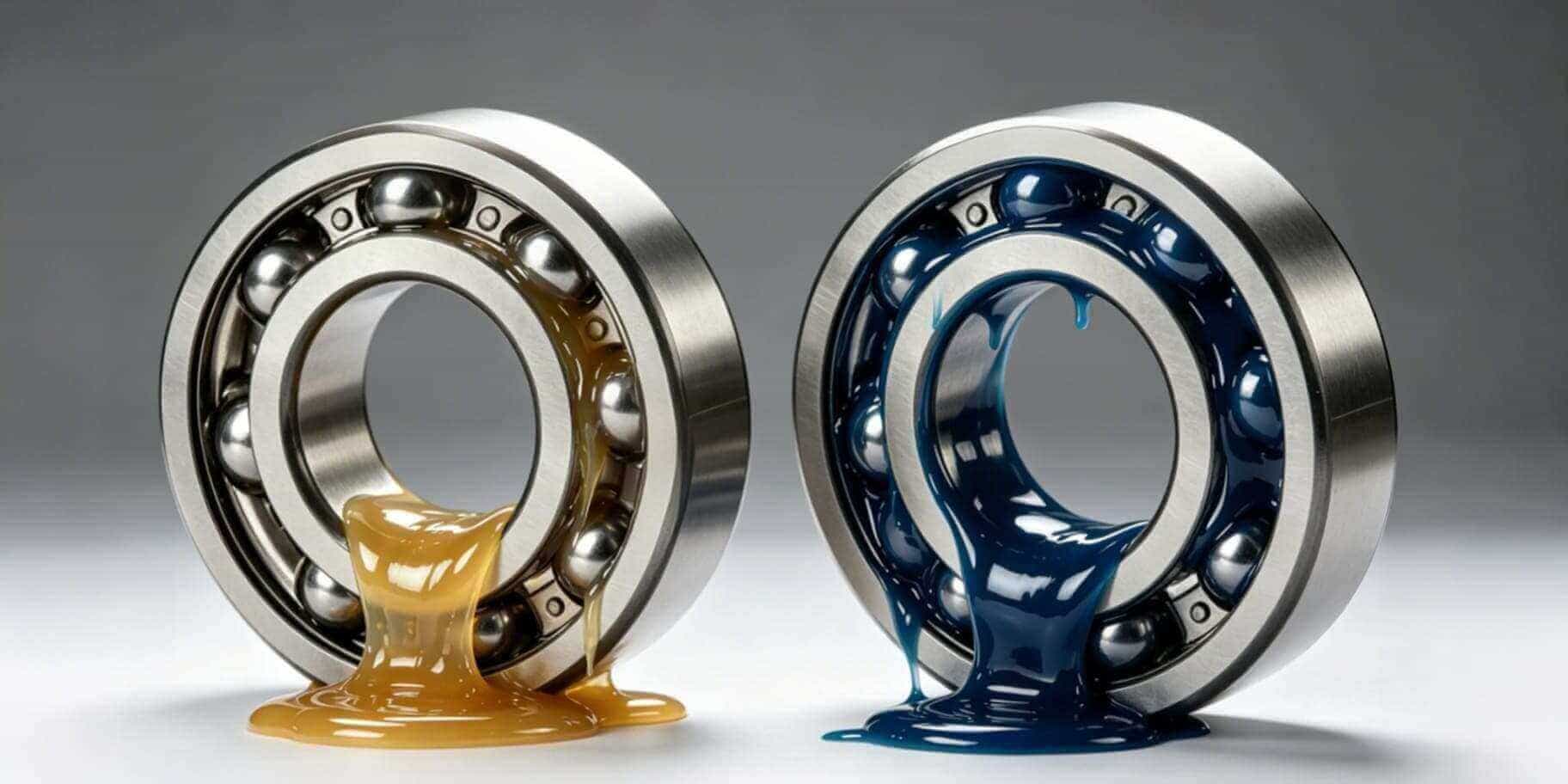
When it comes to the performance and longevity of electric motors, the deep groove ball bearings inside do the heavy lifting. However, even the highest-quality bearings will fail prematurely without the correct lubrication. Grease acts as the lifeblood of an electric motor bearing, reducing friction, dissipating heat, and preventing corrosion.
For engineers and maintenance professionals, the debate over the best lubrication often comes down to two heavyweights: Lithium Grease and Polyurea Grease.
Understanding the chemical makeup and operational capabilities of these two thickeners is crucial for optimizing electric motor performance. Let’s break down the differences and determine which is the superior choice for your applications.
The Role of Grease in Electric Motor Bearings
Electric motor bearings operate under specific, often demanding conditions. They typically run at high speeds, generate significant heat, and require a lubricant that can stay firmly within the bearing cavity without leaking or degrading over long periods.
A standard lubricating grease consists of three components:
■ Base Oil (70-90%): Provides the actual lubrication.
■ Thickener (3-30%): Acts as a sponge, holding the oil in place.
■ Additives (1-10%): Enhance properties like anti-wear, rust oxidation, and extreme pressure (EP) resistance.
The primary difference between lithium and polyurea greases lies in their thickener.
Lithium-based greases (including lithium soap and lithium complex) are the most common industrial lubricants in the world, accounting for over 70% of the global grease market.
Advantages of Lithium Grease:
■ Versatility: It is an excellent multi-purpose grease suitable for a wide range of industrial applications.
■ Water Resistance: It provides reliable protection against moisture and rust.
■ Mechanical Stability: It holds up well under mechanical shear.
Disadvantages for Electric Motors:
■ Temperature Limits: Standard lithium grease begins to degrade at extreme high temperatures. While "lithium complex" greases push this threshold higher, they generally fall short of polyurea in sustained high-heat electric motor applications.
■ Shorter Lifespan: In high-speed, continuous-duty motors, lithium greases typically require more frequent relubrication intervals.
Polyurea grease uses an organic, ashless thickener. Over the past few decades, it has become the gold standard and the "factory fill" choice for the vast majority of original equipment manufacturer (OEM) electric motors.
Advantages of Polyurea Grease:
■ Exceptional High-Temperature Performance: Polyurea thickeners do not melt or oxidize as quickly as lithium soaps. They can withstand the sustained elevated temperatures generated by high-speed electric motors.
■ Longer Service Life: Because it resists oxidation heavily, polyurea grease lasts significantly longer, making it ideal for "sealed-for-life" deep groove ball bearings.
■ Low Noise Properties: The chemical structure of polyurea is naturally smoother, resulting in quieter bearing operation—a critical requirement for electric motors in household appliances and HVAC systems.
■ Ashless Nature: If the grease does burn off under extreme conditions, it leaves behind no hard, abrasive ash deposits that could damage the bearing raceways.
Disadvantages:
■ Incompatibility: Polyurea grease is notoriously incompatible with many other thickener types, including standard lithium. Mixing them can cause the grease to harden or liquefy, leading to catastrophic bearing failure. Always thoroughly clean a bearing before switching grease types.
Head-to-Head: Which is Better?
For the specific demands of electric motor bearings, Polyurea Grease is undeniably the superior choice.
While lithium complex is a fantastic, versatile lubricant, electric motors prioritize long relubrication intervals, high-temperature oxidation resistance, and low acoustic noise. Polyurea excels in all three categories. By choosing polyurea-lubricated deep groove ball bearings, manufacturers can significantly extend the operational life of their electric motors and reduce maintenance downtime.
Featured Application: Welink Electric Motor Bearings
At Welink Bearing, we specialize in manufacturing premium deep groove ball bearings designed specifically for the rigorous demands of electric motors. We offer customizable lubrication options, including high-grade polyurea, to ensure optimal performance right out of the box.
Product Spotlight: Welink 6205 Electric Motor Bearing
The 6205 series is a staple in electric motor manufacturing. Engineered for precision and low friction, it delivers exceptional reliability when paired with the correct grease.
Technical Specifications:
■ Approximate Bearing Weight: 0.128 kg
■ Grease Limiting Speed: 11,000 RPM
■ Oil Limiting Speed: 15,000 RPM
Selecting the right grease is just as important as selecting the right bearing. If you are designing, repairing, or maintaining electric motors, prioritizing polyurea grease for your deep groove ball bearings is an investment in longevity and efficiency.
Need expert advice on bearing selection and lubrication for your next project? Contact the engineering team at Welink Bearing today to discuss custom manufacturing and factory-direct solutions.