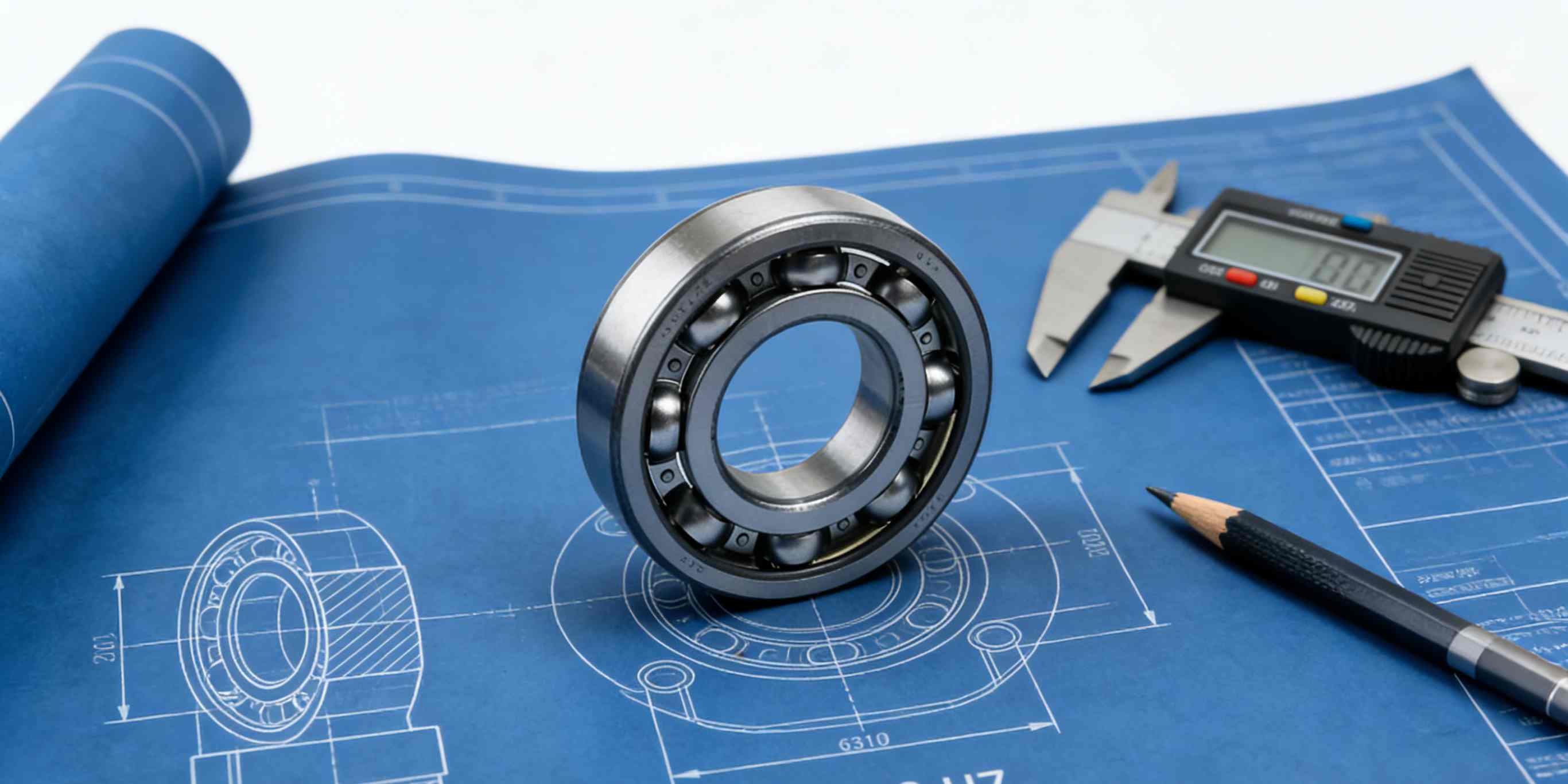
When sourcing bearings like the popular 6312 series, one of the most common technical questions we receive at Welink Bearing is: "Should I choose CN (Normal) or C3 clearance?"
There is a common misconception among buyers that "C3" implies a higher precision grade or a "better" bearing. In reality, clearance has nothing to do with manufacturing quality; it’s all about fitting the bearing to its specific working environment. Choosing the wrong clearance can lead to premature failure, excessive noise, and unnecessary downtime.
What is Bearing Internal Clearance?
In simple terms, Bearing Internal Clearance is the total distance that one bearing ring can be moved relative to the other, either radially (Radial Clearance) or axially (Axial Clearance).
B...
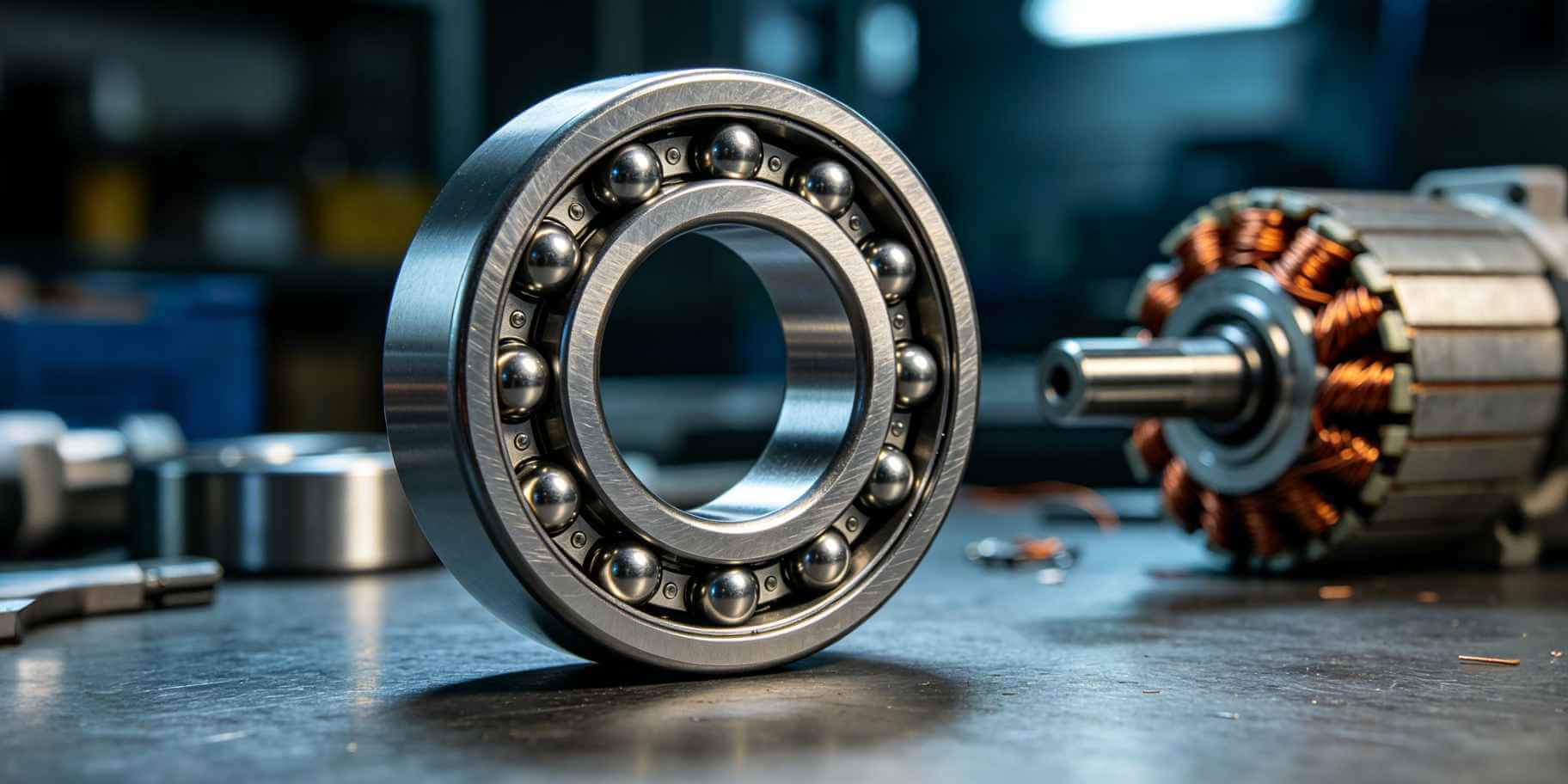
When choosing bearings for small electric motors, internal clearance is one of the most misunderstood yet important factors. It may seem like a small detail, but the wrong clearance can cause overheating, noise, or premature failure. Let’s break it down in a practical, easy-to-understand way.
What Is Bearing Clearance?
Internal clearance (radial internal clearance) is the total amount one ring can move relative to the other before installation. In simple terms: It’s the “looseness” or play inside the bearing when it’s still in your hand.
Why Clearance Matters So Much in Small Motors?
After installation, the actual running clearance changes due to:
• Interference fits on the shaft and housing
• Thermal expansion during op...